



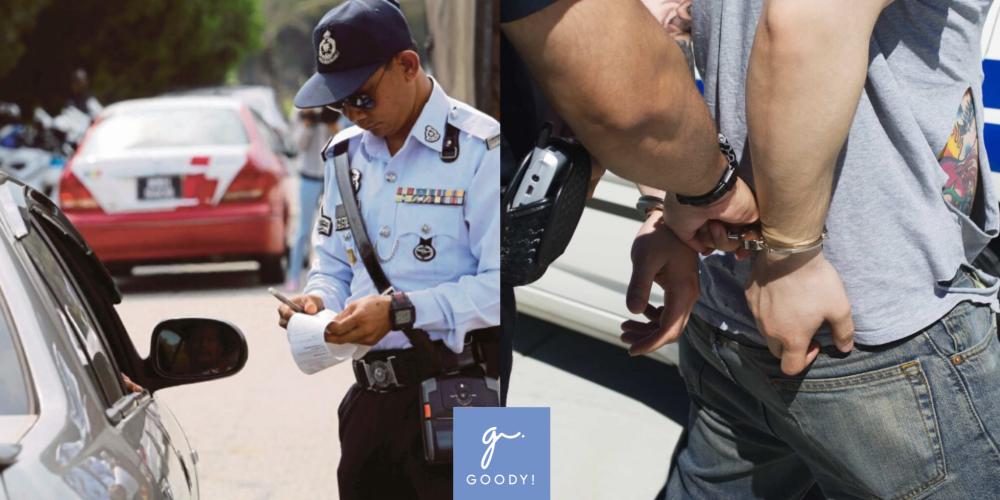

Being stopped by the police can be an intimidating experience, especially if you're unsure of what you're legally required to do. Whether it's a routine roadblock, a traffic stop, or a police investigation, understanding your rights can help you stay calm, cooperate appropriately, and protect yourself throughout the encounter.
It's important to remember that knowing your rights does not mean refusing to cooperate. Instead, it allows you to interact confidently and respectfully while ensuring that the law is followed by everyone involved.
1. You Have the Right to Know Why You're Being Stopped
If a police officer stops you, they should be able to explain the reason for doing so. It could be a routine roadblock, a traffic offence, or an ongoing investigation.
If the reason isn't immediately explained, you may politely ask:
"May I know why I have been stopped, officer?"
Remaining calm and respectful usually helps the interaction proceed smoothly.
2. You Can Ask to See the Officer's Identification
If the officer is not wearing a police uniform, you have the right to ask for their police authority card to verify their identity.
You may also note down their:
Name
Identification number
Police station (if provided)
This is especially important if you have concerns about the legitimacy of the officer.
3. You Must Provide Your Identification
When requested by a police officer acting within their legal authority, you are generally required to provide your identification.
This may include:
MyKad (for Malaysian citizens)
Passport (for foreigners)
Driving licence during traffic-related checks
Providing identification helps officers verify your identity and allows the process to continue without unnecessary delays.
4. You Don't Have to Answer Every Question
While you should provide your personal details when legally required, you generally do not have to answer questions that may incriminate you.
If you are unsure about answering certain questions, you may politely state that you wish to speak to a lawyer before making further statements.
Remaining respectful is important, even if you choose not to answer certain questions.
5. If You're Arrested, You Have the Right to Know Why
If the police arrest you, they should inform you of the reason for your arrest as soon as reasonably possible.
Understanding why you are being detained allows you to better understand the legal process and prepare your defence if necessary.
6. You Have the Right to Contact a Lawyer and Family
If you are arrested, you generally have the right to:
Contact a lawyer.
Inform a family member or trusted friend.
Seek legal advice before giving statements, subject to applicable legal procedures.
Access to legal representation is an important safeguard within Malaysia's justice system.
7. Women Have Additional Legal Protections
Female suspects are entitled to additional protections under Malaysian law.
For example:
Personal body searches should generally be conducted by a female police officer.
Additional safeguards apply during detention and searches involving women.
These measures are designed to protect dignity and ensure appropriate procedures are followed.
8. Stay Calm and Cooperate
Knowing your rights does not mean arguing with the police or refusing lawful instructions.
The best approach is to:
Stay calm.
Speak politely.
Avoid resisting or becoming confrontational.
Comply with lawful instructions.
Raise complaints later through the appropriate legal channels if you believe your rights were violated.
A respectful attitude often helps prevent misunderstandings and allows situations to be resolved more efficiently.
Why Knowing Your Rights Matters?

Most interactions with the police are routine and are intended to maintain public safety. However, understanding your legal rights and responsibilities helps ensure these encounters remain fair, respectful, and within the boundaries of the law.
Being informed also reduces unnecessary panic and allows you to make better decisions during stressful situations.
Remember, knowing your rights goes hand in hand with respecting the law. Cooperation, courtesy, and awareness are the best ways to handle any police encounter.
Disclaimer: This article is intended for general educational purposes only and does not constitute legal advice. Laws and police procedures may vary depending on the circumstances. If you are involved in a legal matter, consult a qualified lawyer for advice specific to your situation.