


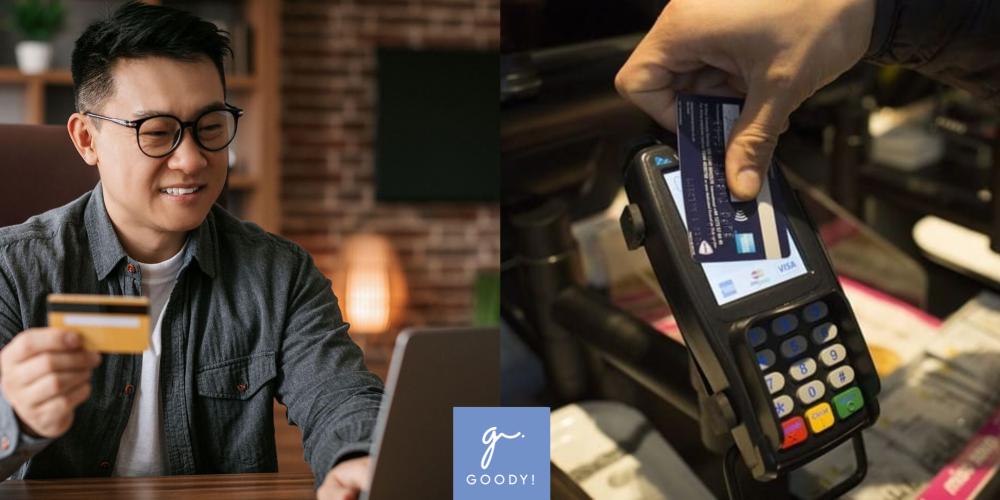

Getting your first credit card can feel like a major adulting milestone. Suddenly, banks are offering you rewards, cashback, travel perks, and credit limits that may seem tempting.
But before you apply, there's something important that many people don't tell you:
A credit card is not free money.
It's borrowed money that you'll eventually have to pay back. Used wisely, it can be a useful financial tool. Used carelessly, it can lead to debt, stress, and years of paying off interest.
So how do you know if you're actually ready for one?
The Truth Nobody Says
Let's clear up the biggest misconception first.
A credit card does not increase your income.
It simply gives you access to money that belongs to the bank. Every swipe is essentially a short-term loan.
The problem starts when people treat their credit limit as extra spending money rather than borrowed money.
Used well? A credit card can help you earn rewards and build a positive credit history.
Used badly? It can quickly become a source of financial stress.
When It Actually Makes Sense To Get One
A credit card can be a smart addition to your financial toolkit if:
You have a stable monthly income.
You consistently pay your bills on time.
You can pay your credit card balance in full every month.
You don't feel tempted to spend more simply because you have a higher credit limit.
If these sound like you, a credit card may help make your everyday spending more rewarding.
When You Should NOT Get One (Yet)
On the other hand, it may be better to hold off if:
You struggle to keep track of your spending.
You regularly find yourself "borrowing from next month's salary."
You don't have an emergency fund yet.
You often rely on debt to cover everyday expenses.
Why?
Because credit card interest is no joke.
Once balances start carrying over month after month, debt can grow faster than many people expect.
The Hidden Benefits People Love
Despite the risks, credit cards do offer genuine benefits when used responsibly.
Some of the most popular perks include:
Cashback Rewards
Many cards offer cashback on categories such as groceries, petrol, dining, and online shopping.
Travel Rewards
Frequent travellers can earn airline miles, airport lounge access, and travel-related benefits.
Discounts And Promotions
Credit card users often get exclusive deals on ride-hailing services, food delivery apps, entertainment, and retail purchases.
Better Fraud Protection
Credit cards generally provide stronger protection against fraudulent transactions compared to debit cards, making them safer for online purchases.
The Trap Most People Fall Into
One of the most dangerous features of a credit card is the minimum payment option.
Paying the minimum amount can create the illusion that everything is under control.
But while you're making small payments, interest continues accumulating on the remaining balance.
A RM1,000 balance doesn't stay RM1,000 for long when interest keeps stacking month after month.
That's why financial experts often recommend paying your statement balance in full whenever possible.
The "Safe User" Rule
If you only remember one thing from this article, make it this:
Only spend money that you already have in your bank account.
Think of your credit card as a payment method, not a lifestyle upgrade.
The safest credit card users are often the ones who treat their cards exactly like debit cards. They spend within their means and pay off the balance completely each month.
A Simple Self-Test
Before applying for a credit card, ask yourself these questions:
Can I pay this full amount today if I had to?
Do I track my spending regularly?
Am I comfortable reviewing my bills every month?
Do I understand how interest charges work?
If your answer is "no" to several of these questions, it may be worth pausing and building stronger money habits first.
A Better First Step If You're Unsure
Not sure whether you're ready?
Consider doing these things before applying for a credit card:
1. Build An Emergency Fund
Aim for three to six months' worth of essential expenses. This creates a financial safety net when unexpected costs arise.
2. Use A Debit Card And Budgeting Tools
Learning to manage spending with your own money first can help build healthy financial habits.
3. Understand Your Spending Patterns
Track where your money goes each month. Knowing your spending triggers can help prevent future credit card debt.
Remember:
Control first. Credit later.
Final Take

A credit card doesn't automatically make you rich.
It also doesn't automatically make you broke.
Your financial habits matter far more than the card itself.
Used with discipline, a credit card can work for you by offering convenience, rewards, and protection.
Ignore the rules, spend beyond your means, and it can quickly work against you.
The question isn't whether credit cards are good or bad.
The real question is whether you're ready to use one responsibly.