



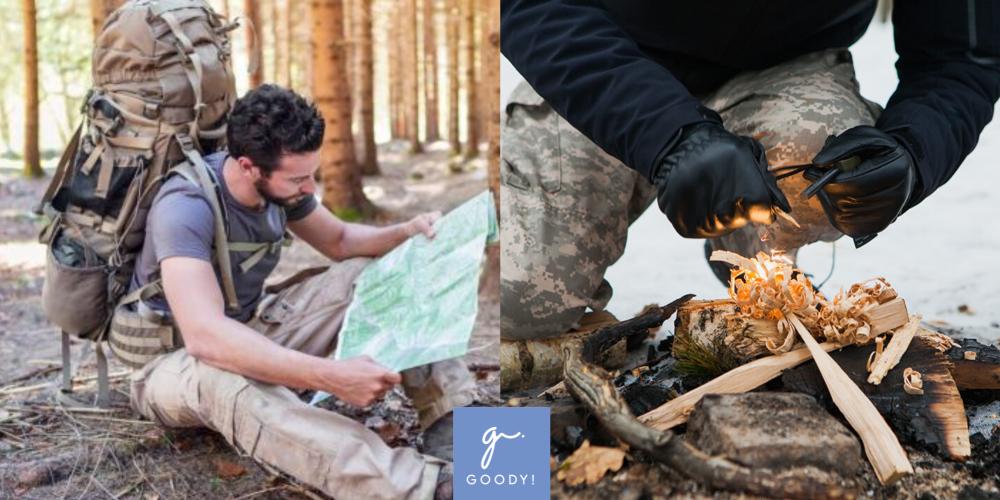

Survival situations rarely come with warning. Whether its a natural disaster, getting lost outdoors, or an unexpected emergency, having the right knowledge can make the difference between life and death. Survival skills are not just for adventurers they are essential life skills everyone should learn to stay safe and prepared.
Here are the most important survival skills that could one day save your life.
1. Finding and Purifying Water
Water is the most critical resource for survival. The human body can only survive a few days without it, and dehydration can quickly become dangerous.
In emergencies, knowing how to locate water sources such as rainwater, rivers, or dew is essential. Even more important is learning how to purify water through boiling, filtration, or purification tablets to avoid harmful bacteria and diseases.
2. Basic First Aid and Wound Care
Injuries can happen at any time, and immediate care is often crucial. Basic first aid skills like cleaning wounds, stopping bleeding, and treating burns can prevent infections and complications.
Knowing CPR or how to handle fractures can also stabilize a person until medical help arrives, potentially saving lives in critical moments.
3. Building Emergency Shelter
Protection from the environment is vital for survival. Extreme heat, cold, or rain can become life-threatening if exposure is prolonged.
Learning how to build a simple shelter using natural materials, tarps, or even clothing can help maintain body temperature and protect against harsh conditions.
4. Fire Starting Without Matches
Fire is one of the most valuable survival tools. It provides warmth, light, cooking ability, and protection from wildlife.
Being able to start a fire using friction methods, flint, batteries, or sunlight ensures you are not completely dependent on modern tools in emergencies.
5. Navigation Without GPS
Technology can fail when you least expect it. That's why basic navigation skills are essential.
Using the sun, stars, natural landmarks, or improvised tools can help you find direction and avoid getting lost in unfamiliar environments.
6. Signaling for Help
In survival situations, being found quickly is critical. Knowing how to signal for help can significantly increase rescue chances.
Methods like creating smoke, using reflective surfaces, arranging SOS signals on the ground, or using whistles can alert rescuers to your location.
7. Mental Resilience and Decision-Making
Survival is not only physical it is also mental. Panic can lead to poor decisions, while calm thinking improves outcomes.
Practicing the STOP method Stop, Think, Observe, Plan helps you stay focused and make rational decisions in stressful situations.
8. Food Identification in the Wild
In extreme survival situations, knowing which wild foods are safe can help prevent starvation. However, this skill requires caution, as many plants and berries can be toxic.
Proper knowledge and identification skills are essential before consuming anything found in nature.
9. Self-Protection and Situational Awareness
Avoiding danger is just as important as responding to it. Being aware of your surroundings helps you recognize threats early and act quickly.
Basic self-protection skills can also help you escape dangerous situations when necessary.
10. Emergency Communication Skills
Clear communication can speed up rescue efforts. Knowing how to share your location and situation accurately using phones, radios, or distress signals is extremely important.
Conserving battery life and sending clear messages can make a big difference when help is needed.
Conclusion

Survival skills are about preparation, awareness, and calm decision-making. You don't need to be an expert outdoorsman to learn them just willing to prepare for the unexpected. By mastering these basic skills, you greatly improve your chances of staying safe in any emergency situation.