



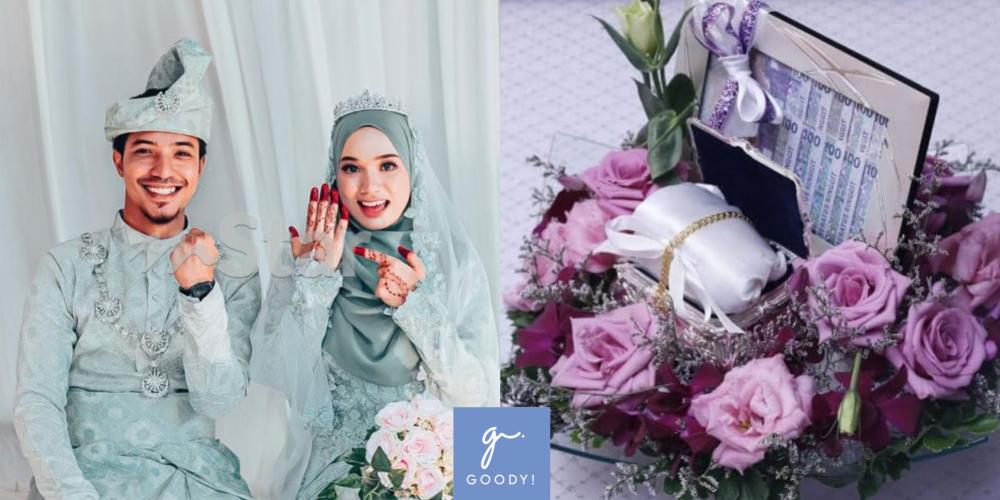

When conversations about marriage begin, one topic almost always comes up duit hantaran.
For some, it's a meaningful tradition. For others, it's a financial burden. And with social media showcasing increasingly lavish weddings and eye-catching hantaran amounts, many couples are left wondering:
"How much is actually reasonable?"
The truth is, there's no one-size-fits-all answer.
First, Understand What Duit Hantaran Is
Duit hantaran is a customary gift from the groom's side to the bride's side.
For many families, it represents appreciation, respect, and helps cover wedding-related expenses. It's a long-standing tradition that holds cultural significance for many Malaysian families.
However, it also comes before the couple officially starts their married life. That's why the amount should be discussed realistically not based solely on expectations or comparisons.
Social Media Has Changed What People Think Is "Normal"
It's common to see posts featuring:
RM30,000 hantaran
RM50,000 weddings
Luxury engagement ceremonies
After seeing enough of these, those figures can start to feel like the norm.
But what social media usually doesn't show is:
Years of saving
Financial support from parents or relatives
Different income levels
Individual financial commitments and personal circumstances
A beautiful wedding is wonderful, but it shouldn't leave a couple financially drained before their marriage has even begun.
Should Duit Hantaran Be Based On Salary?
Many people believe the amount should reflect what the groom can comfortably afford.
Rather than aiming for an impressive figure, it may be more practical to consider:
His monthly income
Existing financial commitments
Savings
Future responsibilities after marriage
The goal isn't to give the biggest amount possible. It's to choose an amount that is respectful, meaningful, and financially sustainable.
A Higher Hantaran Doesn't Always Mean Someone Is More Serious
There's a common saying:
"Kalau sayang, kena la bagi banyak."
While some people genuinely believe this, commitment isn't measured by a single payment.
It is also reflected through:
Consistency
Responsibility
Effort
Planning for the future
Marriage is built through daily actions, not just one financial gesture.
For Some, A Higher Hantaran Symbolises Commitment
On the other hand, many families see a higher hantaran differently.
One perspective you'll often hear is:
"If he's willing to work hard and save up for the hantaran, it shows how serious he is about marrying you."
For them, the amount isn't simply about money.
It represents effort, sacrifice, discipline, and genuine intention.
As long as it comes from careful planning rather than financial pressure, many see it as a meaningful expression of commitment.
But Others Question Whether Money Is The Best Measure
Another viewpoint is that commitment is demonstrated over years not through one payment.
Things like:
Showing up consistently
Keeping promises
Managing finances responsibly
Supporting each other through difficult times
can say just as much if not more about someone's readiness for marriage.
After all, these are the qualities that sustain a relationship long after the wedding day is over.
There's No Universal "Correct" Amount
What's considered "reasonable" will differ from one couple to another.
An amount that feels comfortable for one family may not make sense for another.
Factors such as income, financial responsibilities, family expectations, cultural practices, and personal priorities all play a role.
The right figure should reflect your own circumstances not someone else's social media highlights.
Marriage Is The Real Commitment
A beautiful wedding lasts one day.
Marriage lasts much longer.
After the ceremony comes real-life responsibilities, including:
Rent or home loan repayments
Utility bills
Groceries
Emergency expenses
Future goals like buying a home or starting a family
Beginning married life under unnecessary financial stress can create challenges that extend well beyond the wedding.
The Real Flex Isn't A Big Hantaran
A meaningful marriage isn't defined by the size of the hantaran.
The real flex is marrying someone who:
Knows how to manage money wisely
Communicates openly
Plans ahead
Is committed to building a stable future together
Those qualities often matter far more in the years that follow.
A Practical Way To Think About It
Instead of asking, "What's the average amount?", consider these questions instead:
Can both families feel respected?
Can the wedding happen without unnecessary debt?
Will the couple still have enough savings to begin married life comfortably?
If the answer is yes, then the amount is probably much closer to what's realistic.
Maybe The Real Question Isn't "How Much?"

Perhaps the better question is whether both families and more importantly, the couple feel the amount reflects their values, respects tradition, and still allows them to start their marriage on strong financial footing.
At the end of the day, duit hantaran should strengthen the beginning of a marriage, not become the reason a couple starts their new chapter carrying unnecessary financial burdens.