



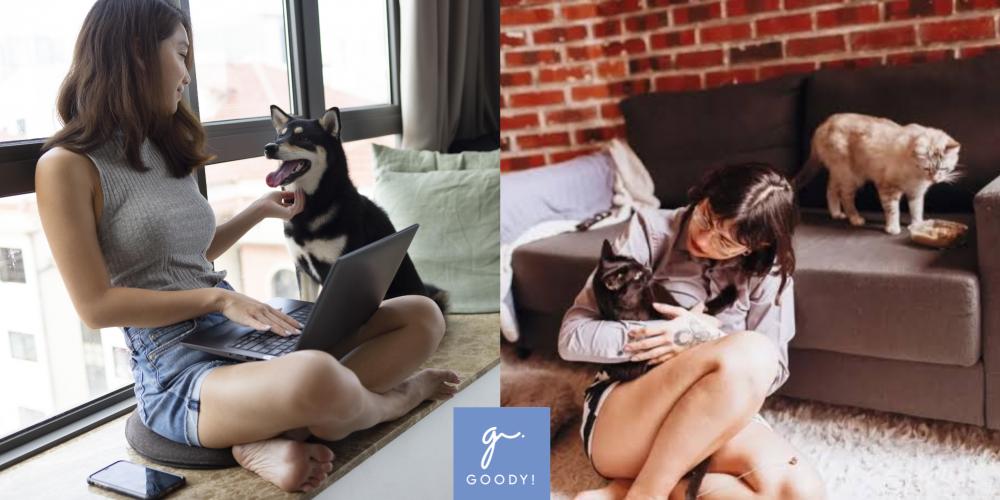

Living in a condo with a pet can be incredibly rewarding, but it also comes with a few extra responsibilities. With shared corridors, lifts, balconies and limited indoor space, pet owners need to think beyond feeding and playtime.
The good news? A few simple habits can help keep your furry friend safe, comfortable and healthy while keeping your home fresh and pleasant.
1. Check the Rules Before Bringing a Pet Home
Before welcoming a pet into your condo, find out what rules apply to your building and local area.
Check:
Your Joint Management Body (JMB) or Management Corporation (MC) house rules
Your local council's requirements
Any licensing requirements or breed restrictions
Malaysia's strata rules generally require pets to be managed responsibly. Pets should not create a nuisance, endanger other residents or breach applicable local regulations.
It's also worth checking whether your building has specific rules about using lifts, common areas, pet carriers or designated walking routes. Knowing the rules early can help prevent unnecessary disputes with neighbours or management.
2. Pet-Proof Every Corner of Your Condo
That beautiful condo view may be tempting for your pet, but balconies and windows can pose serious risks.
Cats, small dogs and even curious larger pets can squeeze through surprisingly small gaps or climb onto furniture near railings.
To make your home safer:
Install sturdy pet mesh or secure screens where appropriate.
Check balcony gaps, railings and loose panels regularly.
Move climbable furniture away from balcony railings and windows.
Keep doors to potentially dangerous areas closed when necessary.
Supervise your pet whenever they are on a balcony or other exposed area.
Don't assume ordinary childproof window guards will automatically keep pets safe. Some cats and small dogs can slip through openings that appear too small at first glance.
Also secure electrical cables, medicines, cleaning products and potentially toxic plants. A pet-proof home should be designed around what your pet can reach, climb, chew or knock over.
3. Keep Your Pet Cool
Malaysia's hot and humid weather can make condos uncomfortable for pets, particularly when rooms receive strong afternoon sunlight.
Make sure your pet always has:
Fresh drinking water
A cool, shaded resting area
Good airflow or suitable cooling
An indoor space away from direct afternoon sunlight
Never leave your pet on an enclosed balcony, especially during hot weather. Heat can build up quickly in enclosed spaces, even when the area initially feels comfortable.
If your pet starts showing unusual signs of heat stress or discomfort, move them to a cooler area and seek veterinary advice promptly.
4. Build a Consistent Toilet Routine
One of the biggest challenges of condo living is managing toilet areas without allowing smells to build up.
For Cats
The litter box should be cleaned regularly, with waste scooped at least once a day.
Ideally:
Place the litter box somewhere quiet and reasonably ventilated.
Keep it away from food and water bowls.
Choose an unscented, low-dust litter that suits your cat.
Clean the surrounding floor regularly.
Wash or replace the litter box when necessary.
If you have more than one cat, you may also need multiple litter boxes depending on your space and your cats' habits.
For Dogs
Dogs benefit from a predictable toilet schedule, particularly when they live in smaller spaces.
Try to:
Schedule regular toilet breaks.
Clean pee pads or grass trays as soon as possible.
Dispose of waste properly.
Clean accidents thoroughly rather than simply covering the smell.
Never leave dog waste sitting in the balcony heat.
A consistent routine doesn't just help your home stay cleaner. It can also make toilet training easier and help you notice changes in your pet's normal habits.
5. Remove Odours Instead of Masking Them
When a pet-related smell appears, reaching for a strong air freshener may seem like the easiest solution. However, masking the smell doesn't actually remove its source.
Instead, focus on cleaning the area properly.
Try to:
Use pet-safe cleaning products.
Wash pet bedding and soft toys regularly.
Vacuum fur from rugs, carpets and sofas.
Clean food and water areas frequently.
Ventilate your home safely.
Clean accidents thoroughly and promptly.
Strong fragrances can also be overwhelming for pets. A home doesn't need to smell heavily perfumed to smell clean.
The goal is simple: remove the source of the odour rather than covering it up.
6. Don't Forget Shared Condo Spaces
Being a responsible condo pet parent extends beyond your front door.
If your pet uses the lift, corridor, lobby or other shared areas, make sure you clean up after them immediately.
Keep waste bags with you during walks, prevent your pet from disturbing other residents and follow your building's rules for common areas.
Not everyone is comfortable around animals, so being considerate can make condo living easier for both pet owners and their neighbours.
Your Daily Condo Pet Checklist
Before calling it a day, take a quick look around:
Toilet area cleaned
Water bowl refreshed
Windows and balcony secured
Bedding clean and dry
Walk or playtime completed
Food area cleaned
Cables, medicines and cleaning products safely stored
Lift and corridor left spotless after use
These small habits can make a surprisingly big difference.
Pay Attention to Sudden Changes
Sometimes, a new or unusually strong odour isn't simply a cleaning problem.
If your pet suddenly starts having accidents, produces unusually strong-smelling waste or shows a noticeable change in toilet habits, don't automatically assume they're being naughty.
Persistent changes can sometimes indicate an underlying health issue. If something seems unusual or continues despite proper cleaning and routine, speak to your veterinarian.
A Safer, Fresher Condo Starts With Good Habits

Being a condo pet parent means balancing your pet's needs with the realities of shared living.
From securing balconies and keeping your pet cool to maintaining litter boxes, cleaning accidents promptly and respecting common-area rules, responsible pet ownership is mostly about consistency.
You don't need a huge home to give your pet a comfortable life. You simply need a safe environment, a reliable routine and plenty of attention to the little details that keep both your pet and your living space happy.