




1. The house should face the south
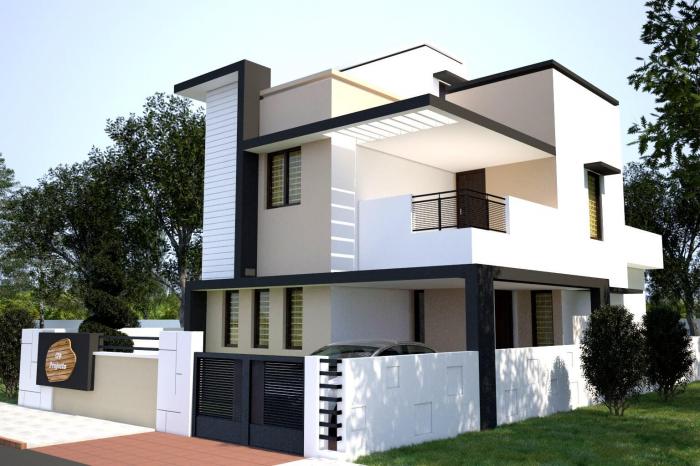
According to Feng Shui, a south-facing house will bring the owner fame or career growth and wealth. However, it's believed that this principle was created based on China's climate. A house that faces the north in China will be exposed to the cold winter wind; whereas one that faces the south will enjoy the warm summer heat.
As in Malaysia, this principle is inapplicable because there is no winter in Malaysia. Hence, it is alright to get houses facing north or south. But, you should avoid getting west-facing houses because a house that faces the west will expose you to the hot evening sun.
2. A large living room that is free from disarray

Feng Shui suggests that a large living room allows the chi (universal energy) to flow around the house smoothly. A small living room with too much disarray will cause chi to sluggish. It is believed would negatively affect your health, career, and even your romantic relationship. This principle is most likely been created based on the logic that a large living room with fewer disarray would ease movement, especially when we are bonding with our families and entertaining guests.
Having disarray will only make the space look small and you may hurt yourself by knocking into them. This principle is definitely applicable in a tropical country like Malaysia because a large living room allows for better air circulation, which prevents stuffiness and keeps the temperature cooling.
3. Do not buy a house that faces a T-junction
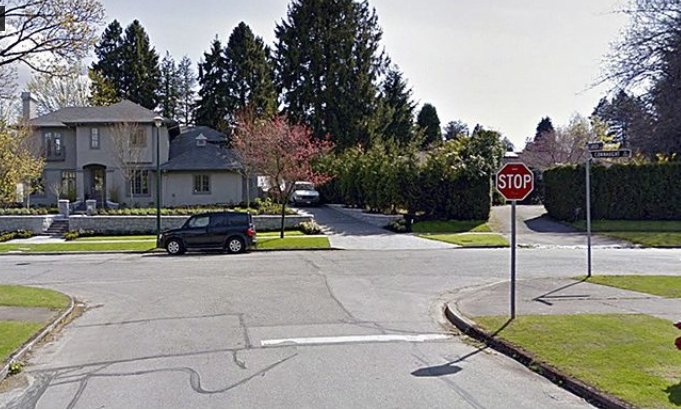
According to Feng Shui, the powerful negative chi would be directed at the houses that faced the T-junction. The movement of negative chi is referred to as the "poison arrow". It is said to bring bad luck to the homeowners' career, health, and wealth. The possible explanation for this principle would be the horse-drawn carriage accidents that caused people in ancient China who lived in houses that face T-junctions to suffer material damages or injury.
This principle is also applicable in Malaysia. Facing the T-junction means that your front door and windows are also directly in front of oncoming traffic. This can be quite bothersome at night as you will need to deal with bright headlights and the noise. A worst-case scenario is that a driver would hit your gate if he loses control of the brakes at the junction.
4. Open your curtains during the day, and close them at night
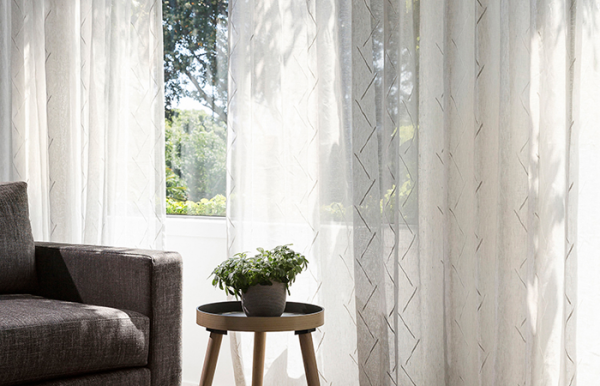
Feng Shui suggests that curtains should be opened during the day to allow positive chi to enter the house. However, you need to close them at night to restrict too much yin energy from coming in. The possible explanation for this principle would be people in ancient China rely massively on sunshine to carry out their daily work. Curtains are shut at night to allow for privacy during bedtime.
This principle is also applicable in Malaysia because you could fully use these healthy natural lighting that comes through your window during day time, and you can save electricity too. It is best to close curtains at night because they can minimize the exposure to light and ensure that you'll have a good sleep.
5. It's best if you can get a nice view from your main door

Feng Shui suggests that having beautiful scenery in front of your main door will encourage good chi to enter the house. Fundamentally, a nice view signifies a good future. The possible explanation for this principle would be gardens in ancient China are used for leisure and are said to positively affect a person's mental health.
This principle is also applicable in Malaysia because research showed that having natural scenery around you helps you to relax. Besides, psychologists said that the green color could help you to calm and soothe your minds.
Buying a house is a life-changing moment because you're buying your future and you will be spending most of your time home. So do consider all sorts of factors and principles before making this important decision.